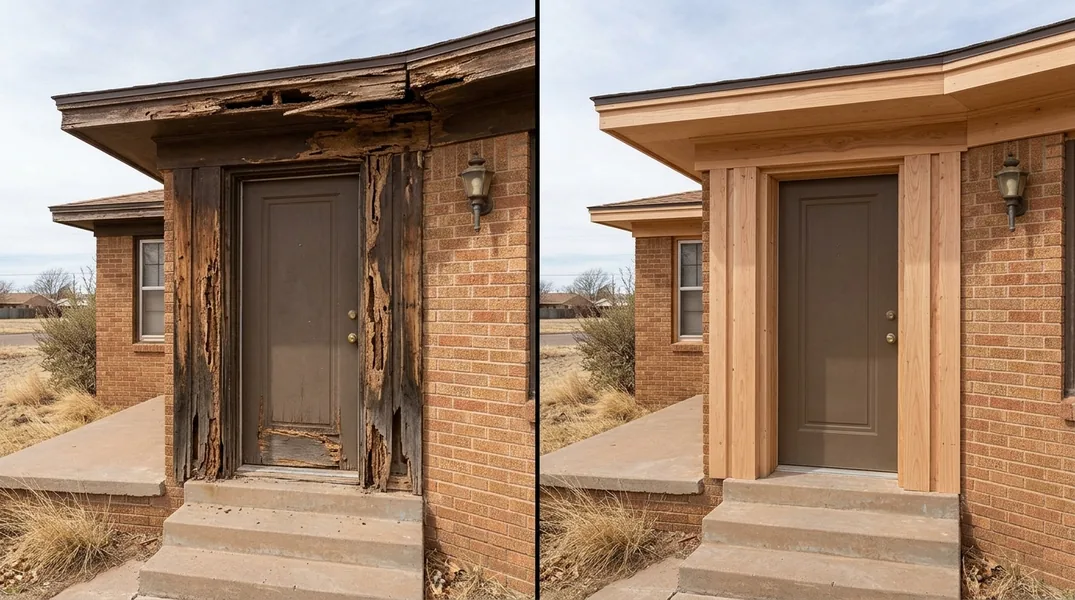
Does Homeowners Insurance Cover Hail Damage to Fascia and Trim?
When a severe hailstorm rolls through Lubbock, the damage to your home's exterior can be extensive and expensive. One of the most vulnerable areas is your fascia and trim, those critical wooden components that protect your roofline and give your home its finished appearance. The question many homeowners ask after a storm is simple: will my homeowners insurance cover this damage?
The short answer is yes, in most cases. Standard homeowners insurance policies typically cover hail damage to fascia, trim, and other exterior structures as part of your dwelling coverage. However, there are important nuances to understand. Your coverage depends on your specific policy terms, your deductible, and whether the damage is deemed accidental and sudden (which hail damage is). Unlike some types of damage that insurers classify as maintenance issues, hail strikes are considered sudden and accidental events, placing them squarely within standard coverage parameters.
That said, not all policies are identical. Some older policies or those with specific exclusions may have limitations. Additionally, if your home's fascia and trim were already deteriorating due to neglect or Wood Rot & Dry Rot Repair issues, insurers may deny or reduce your claim. This is why understanding your policy and documenting pre-existing conditions is essential before filing a claim.
How Hail Damage Differs from Wear and Tear
Insurance companies make a crucial distinction between sudden, accidental damage and gradual deterioration. Hail damage is considered sudden and accidental, which means it should be covered under your homeowners policy. In contrast, damage caused by age, weather exposure over time, or lack of maintenance typically falls outside coverage. This distinction is vital because it determines whether your claim will be approved.
When a hailstorm strikes your fascia and trim, the impact creates visible dents, cracks, or splits in the wood. This is acute damage that occurs in a moment. However, if your fascia has been slowly rotting due to moisture exposure and lack of maintenance, that deterioration is considered wear and tear. Insurance companies will not cover repairs for wood that has been compromised by years of weather exposure or neglected maintenance. This is where the importance of regular home maintenance becomes clear, and why addressing issues like Wood Rot & Dry Rot Repair promptly can protect both your home and your insurance coverage.
If your home has existing wood rot or damage, and then hail strikes, the insurance adjuster will likely investigate whether the hail caused new damage or simply worsened pre-existing conditions. Documentation and photos of your home's condition before storm season can be invaluable in these situations. Consider having a professional inspection done to establish a baseline of your home's current condition.
Filing a Hail Damage Claim in Lubbock: Step by Step
If your fascia and trim have been damaged by hail, the process of filing a claim is straightforward but requires attention to detail. The first step is to contact your insurance company as soon as possible after the storm. Most policies have time limits for filing claims, often within one to three years, but reporting promptly creates a clear timeline and demonstrates that the damage is recent and storm-related.
When you call your insurance company, have your policy number ready and provide a clear description of the damage. They will typically schedule an adjuster to visit your home and inspect the damage. This is where professional documentation becomes important. Take clear photos and videos of the damaged fascia and trim from multiple angles, and note the date of the storm. If possible, also photograph undamaged areas of your home for comparison.
During the adjuster's visit, be present and point out all areas of damage. Don't minimize or exaggerate anything, but do ensure the adjuster sees the full extent of the hail impact. If the damage is extensive or if you believe the adjuster's assessment is incomplete, you have the right to request a second opinion or hire an independent adjuster. After the inspection, the insurance company will issue a claim decision and, if approved, provide payment based on your deductible and coverage limits.
One important consideration: if hail damage has exposed wood or created openings in your fascia and trim, secondary damage like water intrusion or wood rot can develop quickly. This is why prompt repairs are essential. Delaying repairs could lead to additional damage that may not be covered if it results from your failure to mitigate the initial damage.
What About Your Deductible and Coverage Limits?
Understanding your deductible is crucial when evaluating whether a hail damage claim makes financial sense. Your deductible is the amount you pay out of pocket before insurance coverage kicks in. For most homeowners in Lubbock, deductibles range from $250 to $1,000, though some policies have higher deductibles or even percentage-based deductibles (typically 1 to 5 percent of your home's insured value).
If your hail damage repair costs less than your deductible, filing a claim won't result in any insurance payment, so you'll cover the cost yourself. However, if the damage is extensive, the repair costs will likely exceed your deductible, making a claim worthwhile. This is where getting professional repair estimates becomes important. Before filing a claim, obtain quotes from qualified contractors to understand the true cost of repairs.
Coverage limits also matter. Your homeowners policy has a maximum amount it will pay for dwelling damage. If your home is underinsured, the maximum payout might not cover the full cost of repairs. Review your policy annually to ensure your coverage limits keep pace with the replacement cost of your home, especially after making improvements or as construction costs rise.
Additionally, some insurers offer optional coverage for specific perils. If you live in an area prone to severe hailstorms, you might consider whether your current coverage is adequate or whether additional riders or endorsements would provide better protection.
When Fascia and Trim Damage Leads to Secondary Problems
Hail damage to fascia and trim isn't just a cosmetic issue. When the protective outer layer of your fascia is compromised, water can infiltrate the underlying structure. This moisture exposure creates an ideal environment for wood rot to develop. What began as hail damage can quickly become a much more serious and costly problem if not addressed promptly.
Wood rot weakens the structural integrity of your fascia and the roof system it supports. If left untreated, rot can spread to rafters, roof decking, and even the walls of your home. At that point, you're no longer dealing with a simple trim repair but potentially major structural repairs. This is why addressing hail damage quickly is not just about maintaining your home's appearance, it's about preventing costly secondary damage.
If you suspect your fascia or trim has hail damage, or if you notice signs of moisture intrusion or wood deterioration, contact Lubbock Carpentry for a professional assessment. Our team can evaluate the extent of the damage, identify any secondary issues like rot, and provide repair solutions. Whether the damage is covered by insurance or you're paying out of pocket, prompt professional repairs will protect your home's structure and prevent more expensive problems down the road. Call us at (806) 686-3279 or visit our website to request a free estimate.
Protecting Your Home After Hail: Prevention and Maintenance
While you can't prevent hailstorms, you can take steps to minimize damage and protect your home's fascia and trim. Regular maintenance is the most effective preventive measure. Inspect your fascia and trim at least twice a year, looking for signs of damage, rot, or moisture issues. Keep gutters clean and functioning properly, as clogged gutters can cause water to back up and damage fascia boards.
If your fascia or trim is made of wood, consider treatments that provide additional protection against moisture and weather damage. Some homeowners opt to replace vulnerable wood components with more durable materials like composite or metal fascia, which can better withstand hail impact and resist rot and moisture damage. While this represents a larger upfront investment, it can reduce long-term maintenance costs and insurance risk.
After any storm, don't wait to have your home inspected. Early detection of damage allows you to file insurance claims promptly and address repairs before secondary damage develops. If you're unsure whether your home has sustained hail damage, a professional inspection can provide clarity. Lubbock Carpentry offers comprehensive assessments of hail damage and can help you understand your repair options and insurance coverage. Whether you need immediate repairs or want to schedule preventive maintenance, reach out to us today at (806) 686-3279 to discuss your home's needs.
Looking for a professional carpentry contractor in Lubbock? Lubbock Carpentry responds fast for all your carpentry needs.
Get a Free QuoteOur services: Wood Rot & Dry Rot Repair · Termite Damage Repair · Floor Joist & Subfloor Repair