Why Lubbock's Climate Is So Tough on Wood
Lubbock sits in the Texas Panhandle, where the weather is relentless. Homeowners here face a unique combination of challenges that accelerate wood damage: intense hail storms, high-velocity winds, and extremely dry air that pulls moisture from wood year-round. This climate creates the perfect storm for structural problems that many homeowners don't notice until the damage is severe.
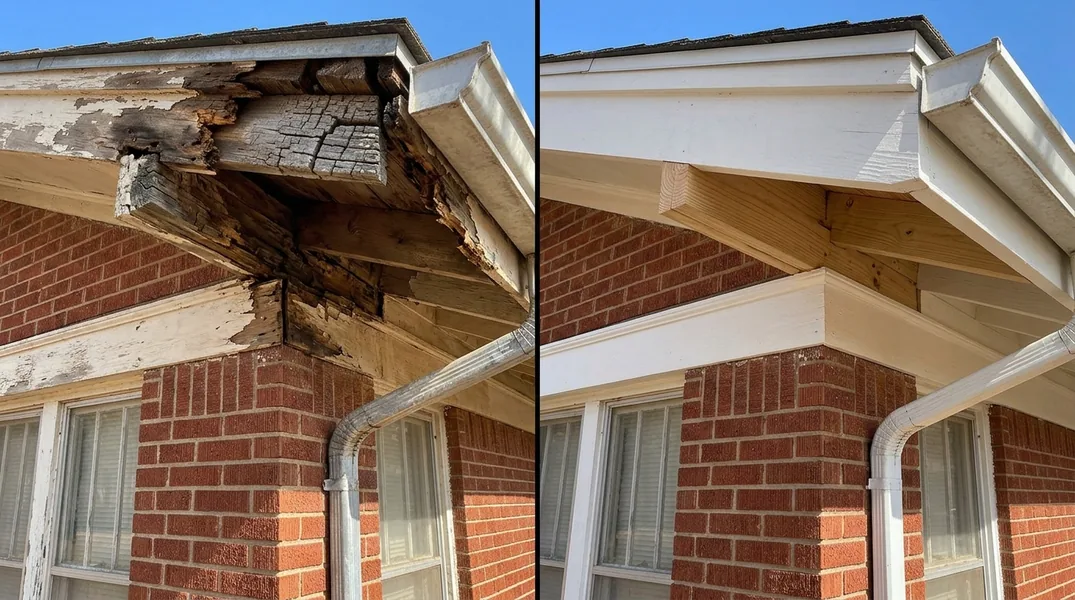
The dry air in Lubbock is particularly damaging because it causes wood to shrink and crack. When wood loses moisture too quickly, it develops stress fractures that allow water to penetrate deeper during the next rain or hail event. Once water gets inside, wood begins to rot from the inside out, which is why so many homes in the area need Wood Rot & Dry Rot Repair before major structural issues develop.
Hail Damage to Wood: Why Fascia and Trim Are Vulnerable
Hail storms in the Panhandle can be devastating, and your home's exterior wood takes the first hit. Fascia boards, roof trim, and siding are exposed to direct impact, and even a single hailstone traveling at high speed can crack, split, or gouge wood. Many homeowners assume hail damage is only a roofing problem, but the truth is that wood components suffer significant damage that compromises the entire exterior envelope of your home.
Fascia hail damage is particularly concerning because these boards protect your roof edge, gutters, and the structural framing behind them. When hail punctures or cracks fascia, water infiltrates the gap between the fascia and roof structure. Over time, this moisture exposure leads to rot that spreads into roof framing, soffit areas, and even into your attic. What starts as visible cosmetic damage often becomes a hidden structural problem. If you've noticed dents, cracks, or splintering in your fascia after a storm, it's worth having a professional inspect the damage before it develops into expensive repairs.
The Connection Between Wind Damage and Wood Rot
High winds in Lubbock don't just push on your home's exterior, they create stress that opens gaps in wood joints, seals, and connections. When wind pressure flexes wooden siding, trim, or structural members, it can separate caulking, crack paint, and create micro-fractures in the wood itself. These small openings are invitations for water to enter, and once water gets into wood, the clock starts ticking for rot development.
Wind damage also accelerates the drying process on exposed wood surfaces, which sounds beneficial but isn't. Rapid drying followed by moisture absorption (from rain or humidity) creates a cycle of expansion and contraction that weakens wood fiber by fiber. This repeated stress makes wood more susceptible to splitting and cracking, which then allows water penetration. Over a few seasons, wind-damaged wood becomes soft, spongy wood rot that compromises the structural integrity of your home. This is why homeowners shouldn't ignore wind-related damage, even if it seems minor at first.
Recognizing Early Signs of Wood Damage in Your Home
Catching wood damage early makes repairs faster and much cheaper. The first signs of trouble often appear on the exterior: soft spots in fascia or trim when you press on them with a screwdriver, paint that's peeling or bubbling without obvious cause, or wood that looks darker or discolored. You might also notice gaps opening between trim boards and the house, or caulking that's cracking and pulling away from wood surfaces. If your gutters are pulling away from the fascia, that's another red flag that the underlying wood is deteriorating.
Inside your home, watch for signs of moisture problems: stains on ceilings or walls near the roofline, soft or bouncy floors, or a musty smell in attics or crawl spaces. These symptoms often point to wood rot that started on the exterior and has been spreading inward for months or even years. The sooner you identify and address these issues, the better. A professional inspection can determine whether you're dealing with surface damage that needs cosmetic repair or deeper structural issues that require Wood Rot & Dry Rot Repair.
Professional Wood Damage Repair Near Me: When to Call Lubbock Carpentry
If you've spotted damage or suspect wood rot in your home, it's time to call a professional. While some homeowners attempt DIY repairs, wood damage assessment and repair requires expertise to identify the full extent of the problem. Dry rot, in particular, can spread silently through hidden areas of your home, and a professional inspection catches problems that an untrained eye will miss. Lubbock Carpentry has years of experience repairing hail damage, wind damage, and wood rot in homes throughout the region, and we know exactly what to look for in the Panhandle climate.
When you contact Lubbock Carpentry at (806) 686-3279, we'll schedule a thorough inspection of your exterior and any problem areas you've noticed. We assess the damage, explain what caused it, and provide honest recommendations for repair. Whether you need fascia replacement, wood rot treatment, or structural repairs, we handle the job right the first time. Don't wait until wood damage becomes a major structural issue. Reach out for a free estimate and get your home protected.
Prevention and Maintenance: Protecting Your Wood from Lubbock's Climate
The best defense against wood damage in Lubbock is regular maintenance and preventive measures. Keep your gutters clean and functioning properly so water drains away from your fascia and siding. Inspect caulking and weatherstripping annually, and re-caulk or seal gaps before water has a chance to penetrate. Paint and stain on exterior wood should be refreshed every 3 to 5 years to maintain the protective barrier against moisture and UV damage.
Trim trees away from your roof and siding so branches don't scrape wood during windstorms, and ensure your grading slopes away from your foundation so water doesn't pool near exterior walls. In the dry Panhandle climate, it's tempting to let irrigation spray hit your house, but this accelerates wood damage. Be intentional about where water goes, and keep it away from wood surfaces whenever possible. If a hail storm or high winds damage your home, have it inspected promptly rather than waiting to see if problems develop. Catching damage early and addressing it quickly is far more cost-effective than waiting years for rot to spread. Contact Lubbock Carpentry today at (806) 686-3279 if you need advice or repair services.
Looking for a professional carpentry contractor in Lubbock? Lubbock Carpentry responds fast for all your carpentry needs.
Get a Free QuoteOur services: Wood Rot & Dry Rot Repair · Termite Damage Repair · Floor Joist & Subfloor Repair